In this comprehensive guide, we’ll explore everything you need to know about what to do with pets when moving. From the planning stages to settling into your new home, we’ve got you covered.

Moving With Pets: Pre-Move Preparation
Pre-move preparation can be a stressful time for pet owners, as it entails a multitude of considerations to ensure the well-being of their furry companions. Here are some important things to take note:
Establish a Regular Routine
Amid the chaos of packing and planning, it’s crucial for pet owners to establish a regular routine, particularly when it comes to their pet’s daily schedule. Maintaining consistency in feeding times, exercise routines, and comforting rituals can offer a sense of stability and comfort to pets during the upheaval of a move. Ensuring that your pet’s food bowl is consistently filled and their walks remain on schedule can go a long way in helping them adapt to the upcoming changes with as little stress as possible.
Health Documents and Certificates
As part of pre-move preparation, one crucial aspect that pet owners should prioritize is gathering and organizing their pet’s health documents and certificates. These documents, including health records and a health certificate issued by a veterinarian, play a vital role in ensuring a smooth and stress-free transition for your pet. Health records contain valuable information about vaccinations, medical history, and any underlying health conditions. A health certificate, typically required for domestic and international travel, certifies that your pet is in good health and fit for the journey. Additionally, discussing potential motion sickness remedies with your veterinarian and obtaining any necessary medications or recommendations can help alleviate travel-related stress and discomfort for your beloved companion. Properly managing your pet’s health documentation is an essential step in guaranteeing their safety and well-being during the move.
Arrange for Pet Transportation
When planning for international moves, ensuring your pet’s health documents and certificates are in order becomes even more crucial. International regulations often demand stringent documentation to guarantee the safety of both pets and the local environment. To navigate this intricate process smoothly, consider enlisting the assistance of a professional pet relocation service that is well-versed in the intricacies of international pet travel requirements. They can guide you through the necessary steps, such as obtaining the appropriate health certificates and ensuring your pet is housed in a travel crate that complies with international standards. By entrusting experts with the paperwork and logistics, you can focus on providing your pet with the care and attention they need during this significant transition, knowing that their documentation is meticulously handled.
Preparing for the Move
Research and Planning
Before embarking on your move, it’s essential to conduct thorough research and plan accordingly. Here are some crucial steps to consider:
- Choose a pet-friendly destination: Look for areas that are known for being pet-friendly. Research local pet amenities like parks, trails, and veterinary clinics.
- Research local pet regulations and facilities: Different places have various regulations regarding pets. Familiarize yourself with local pet laws, such as leash ordinances and breed-specific legislation.
- Find pet-friendly housing: If you’re renting, make sure your new place is pet-friendly and inquire about any pet-related restrictions or additional fees.
Visit the Vet
A trip to the veterinarian is a must before moving with your pet:
- Schedule a pre-move health check-up: Ensure your pet is in good health for the journey. Discuss any concerns or special requirements with your vet.
- Update vaccinations and identification: Make sure your pet’s vaccinations are up-to-date, and consider getting them microchipped for added security.
- Obtain medical records and prescriptions: Request copies of your pet’s medical records, prescriptions, and a supply of any necessary medications.
Pack a Pet Moving Kit
Assemble a pet moving kit to ensure your furry friend’s comfort during the move:
- Essential supplies for the journey: Pack food, water, bowls, and your pet’s favorite toys.
- Familiar items for comfort: Include familiar bedding and toys to provide a sense of security.
- First-aid kit for emergencies: Prepare a first-aid kit tailored to your pet’s specific needs.
The Moving Day
Pet-Proof Your Home
Before the movers arrive, take steps to pet-proof your current home:
- Secure dangerous items and chemicals: Lock away cleaning supplies, chemicals, and any items that could harm your pet.
- Create a designated pet area: Set up a safe space where your pet can relax and remain secure while the chaos of moving unfolds.
- Keep pets away from the chaos: On moving day, consider confining your pet to a crate or a quiet room to reduce stress. Get pet crates from PetSmart or Petco, and make sure that the crates have extra room for your pets.
Traveling by Car
If you’re traveling by car, follow these guidelines for a safe and comfortable journey:
- Prepare a comfortable pet-friendly space: Use a crate or a secure carrier to keep your pet safe. Ensure proper ventilation and make the space cozy with blankets or bedding.
- Plan for rest stops and exercise breaks: Schedule regular breaks for your pet to stretch their legs, have a drink, and relieve themselves.
- Secure your pet with proper restraints: Use seat belts, harnesses, or carriers to ensure your pet remains secure during the drive.
Flying with Pets
If you’re flying with your pet, here’s how to make the experience as smooth as possible:
- Research airline policies: Different airlines have varying rules and regulations for traveling with pets. Research these policies well in advance. Airlines such as American Airlines and United Airlines cater to pets on their aircraft.
- Choose a pet-friendly airline: Opt for an airline that has a good reputation for pet travel and offers appropriate accommodations.
- Prepare a pet travel carrier: Invest in an airline-approved pet carrier and acclimate your pet to it before the trip.
Long-Distance Moves with Pets
Accommodations for Larger Animals
Long-distance moves with pets, especially larger animals, require thoughtful planning and accommodations. Advance reservations are key to securing pet-friendly homes or rental properties that can comfortably house your larger furry or feathered family members. In addition to finding suitable accommodations, maintaining your pet’s normal routine throughout the transition is essential for their well-being. Keeping feeding times, exercise routines, and comforting rituals consistent can help your pet adjust to the new environment more smoothly. By addressing their specific needs and ensuring they have a comfortable and familiar space in your new home, you can make long-distance moves with larger animals a less daunting experience for both you and your beloved pet.
Allocating Extra Time to Make It to the Terminal on Time
When embarking on long-distance moves with pets, especially for those relying on service animals, it’s imperative to allocate extra time to ensure you make it to the terminal on time. Choosing a reputable long-distance moving company can greatly facilitate this process, as they can assist in coordinating your move and managing logistics. By factoring in the specific needs of your pet, such as service animal accommodations, transportation arrangements, and any necessary rest stops, you can help reduce stress for both you and your furry companion. Ensuring you arrive at the terminal on time ensures a smoother journey, whether you’re traveling by air or another means, allowing you to focus on the well-being and comfort of your beloved pet throughout the long-distance move.
Settling into Your New Home
Pet-Proof the New Space
Once you’ve arrived at your new home, take steps to ensure it’s safe for your pet:
- Check for potential hazards: Examine the new environment for dangers such as exposed wires, toxic plants, or sharp objects.
- Introduce your pet to the new environment: Gradually introduce your pet to different areas of the house, allowing them to explore at their own pace.
- Create a safe outdoor area: If you have a yard, ensure it’s secure so your pet can enjoy some outdoor time safely.
Maintain Routine and Comfort
Maintaining your pet’s routine can ease their transition:
- Stick to familiar feeding schedules: Keep mealtimes consistent, and use the same food and water dishes your pet is accustomed to.
- Re-establish daily routines: Stick to familiar play, exercise, and grooming routines to provide comfort and stability.
- Provide comfort items: Offer your pet their favorite toys, blankets, or bedding to help them feel at home.
Socialization and Exploration
Help your pet acclimate to their new surroundings:
- Gradually introduce your pet to neighbors and other pets: If you have new neighbors or other pets in the area, introduce your pet slowly to avoid overwhelming them.
- Explore the local pet-friendly amenities: Take your pet for walks and outings to explore the local pet-friendly parks, trails, and pet stores.
- Consider professional training if needed: If your pet is struggling with behavior in the new environment, consider enlisting the help of a professional trainer.
Coping with Pet Stress
Moving can be stressful for pets, but there are ways to help them cope:
Recognizing Stress Signs
Be vigilant for signs of stress in your pet:
- Behavioral changes to watch for: Look out for changes in eating habits, excessive grooming, aggression, or withdrawal.
- How to comfort a stressed pet: Provide a quiet, safe space for your pet and offer soothing words and gentle attention.
- Seek professional help if necessary: If your pet’s stress persists or worsens, consult with a veterinarian or a certified animal behaviorist.
Post-Move Veterinary Care
After the move, ensure your pet’s ongoing health and well-being:
- Follow up with a new veterinarian: Schedule a post-move check-up with a local veterinarian to establish a new healthcare routine.
- Discuss any behavioral concerns: If your pet is exhibiting behavioral issues, discuss them with your vet to address any underlying causes.
- Update microchip and contact information: Update your pet’s microchip registration and ensure your contact information is current.
Legal and Administrative Tasks
Don’t forget the legal and administrative aspects of moving with a pet:
Update Pet Registration
- Local licenses and registration: If required, update your pet’s registration with local authorities in your new area.
- Pet insurance adjustments: Review and update your pet’s insurance policy to reflect your new location.
- Emergency contact information: Update your pet’s identification tags and microchip with your new contact information.
Consider Legal Requirements
Pet import/export regulations: If you’re moving internationally or between states, research and comply with pet import/export regulations.
Breed-specific legislation: Be aware of any breed-specific legislation in your new area that may affect your pet.
Noise ordinances and leash laws: Familiarize yourself with local noise ordinances and leash laws to avoid any legal issues.
Conclusion
In conclusion, moving with pets requires careful planning and consideration. The bond between you and your pet is a strong one, and ensuring their well-being during a move is paramount. By following the steps outlined in this comprehensive guide, you can make the transition as smooth as possible for your beloved companion. Remember, with the right preparation and care, your pet can thrive in their new home, just as you do.
Ready to move with your beloved pets stress-free? Look no further than Flat Fee Movers! Our dedicated team specializes in local moving, senior moving, and commercial moving, making your relocation a breeze and ensuring that your furry companions receive the care and attention they deserve during the move. Don’t let the hassle of pet logistics hold you back—choose Flat Fee Movers and experience the joy of moving with peace of mind. Contact us today, and let’s make your move a memorable adventure for both you and your pets!
FAQs: What To Do With Pets When Moving
How can I minimize my pet’s stress during a move?
To reduce your pet’s stress, maintain their regular routines, provide familiar items, and consult your veterinarian for advice on calming solutions or medications if needed.
Do I need to update my pet’s identification during a move?
Yes, it’s crucial to update your pet’s identification tags, microchip information, and health certificates with your new contact details to ensure their safety.
What should I pack in my pet’s moving kit?
Your pet’s moving kit should include essential supplies like food, water, bowls, medications, and comforting items such as their favorite toys or blankets.
Can I fly with my pet during a move?
Yes, flying with pets is an option, but it requires careful planning. Research airline policies, choose a pet-friendly carrier, and consult your veterinarian for guidance.
Are there legal requirements for moving with pets?
Yes, legal requirements can vary by location. Research local pet regulations, update licenses, and comply with any import/export regulations for international moves to avoid legal issues.
]]>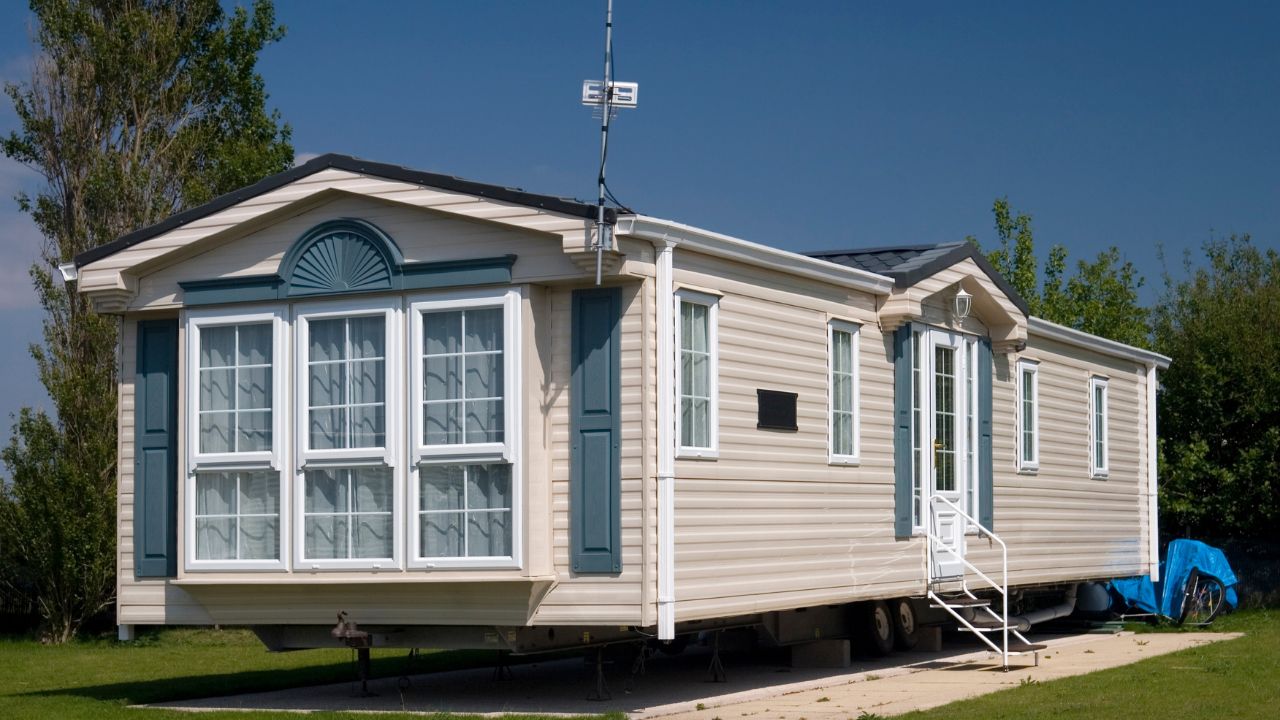
It’s not easy to move your mobile home for the first time. You can’t just hitch it to a vehicle and pull it to its destination. Before you begin the move, you will need to answer several questions. What is the cost of moving to a mobile house? Which permits are required? What type of mobile home and what size is it? What is the condition of your mobile home?
Consider all these factors and more when calculating the cost of moving your mobile home.
Read on to learn more.
What Are the Costs Involved in Moving a Mobile Home?
When budgeting to move a mobile house, you should first consider the cost of mobile home movers. Although technically, you can move your mobile home by yourself; this is not permitted in most states. This type of work is done by movers Bradenton more frequently and with greater training. Companies that move mobile homes are insured in case of mishaps, which you will not have if you try to move it yourself.
Mobile home movers will ask you what type of mobile home it is. Single-wide? Double-wide? What else? The dimensions of your house will tell you.
Also, you’ll need to provide specifics like the exterior material of the house (metal, vinyl siding, etc.). You’ll also need to share the year that you purchased your home. The year will help the movers estimate the condition of the house.
What is the final question? How far are they moving your mobile home? Do you want to move across the state or the country? These questions will help your movers estimate the cost of transporting your mobile home.
What Factors Affect the Price of Moving a Mobile Home?
Moving a mobile house can cost anywhere from $1,000 up to $20,000, depending on factors such as the size of the home, the distance to be covered, the condition, etc. Moving your mobile home for less than 100 miles can be done by moving companies for less than $5,000. For longer moves, transport costs can range from $6 to $15 an hour.
The cost of moving your mobile home will depend on several factors:
- Double vs. single wide: The cost of moving a mobile home depends on the size.
- Metal vs. vinyl: The price of your move will also depend on whether you have metal or vinyl siding and skirting.
- Move to/from basement/crawlspace: Was your mobile home constructed on a crawlspace or basement? Do you plan to build your mobile home on a lot with a crawlspace or basement?
- Extra luxuries: Do you have any extra luxuries? Does your house have an air conditioner or awning? The mover will need to know which will most likely increase the price. Those add-ons will need to be factored into how they move your home.
- Distance to travel: This is one of the most significant factors in how much moving your mobile home will cost. Are you moving your house in town or across the country? Estimate how many miles you will travel before you talk with movers.
- Cost of a permit by state (usually between $15 and $100): While the fee for a mobile home moving permit might not be huge, it is still something you’ll budget.
- Extra services: Do you want the movers to clean up the lot after they move your home or perform other services? Make sure you calculate those costs in the budget.
- Condition of the home: The age and condition of your mobile home also factor into how much the move will cost. The price may increase if the movers need to secure your home more than usual.
Do I Need Mobile Home Movers, or Can I Do It Myself?
If you’re wondering how to move a mobile home yourself, it’s a tricky subject. While moving a mobile house yourself would cost less, that is not always the case. There’s a lot to consider:
- The mobile home has to be up to code.
- You have the proper permits and certificates for the place you’re going.
- You will probably want insurance on the home while it’s in transit.
These are all things moving companies deal with daily, and paying them to help you with this process can make it much easier. A mover can guarantee the house is up to code, settle the permits, and have their insurance covering any issues if your mobile home is damaged while it’s being transported.
But it’s not just the permits and insurance that make working with movers the preferred method. Most states require you to work with licensed movers. This is to ensure the home gets there in one piece and that other drivers are safe.
Mobile home movers must apply with the state for a license to do their job so they are regulated and tested to ensure they do their job correctly. You may pay a hefty price for their service, but it’s more than worth it.
How do you find the right movers for you? Research. Look into a bunch of movers in your area, look at the differences in cost, and then meet them. Ask for referrals from past customers — if they don’t have any or are reluctant to offer them, that could be a red flag. This is your home; you want to be sure they know what they’re doing.
How Can I Avoid Paying Too Much When Moving a Mobile Home?
Doing your research is the key to avoiding paying too much. Investigate all the possible mobile home transporters. Get quotes, read reviews, ask for recommendations, and check them out. The more movers you research, the more accurate your cost estimates will be. You may then choose the mover offering you the best bargain from there.
You also want to check out what the moving company includes in their price. Are they cleaning up your plot after they move the home, or do you have to do that? Will they move sheds, awnings, or decks you’ve added to your home? You’ll want to know if they offer these options and if so, will it cost you more?
It’s also essential that you ask about the mover’s insurance. It might be factored into the price, but not always.
After looking at the prices and everything that goes into moving a mobile home, you might wonder if simply buying a new home at your destination is cheaper. It’s possible — but it depends on where you live, as prices change regionally.
According to the census, the average price of a single-wide mobile home in the Midwest was $53,800 and $61,200 in the Northeast. If you compare that to moving to a mobile house, buying a new one is much more expensive. Additionally, that mobile home price does not calculate the cost of the land you’re putting the home on.
Conclusion
Moving a mobile home can be a challenging endeavor that requires consideration of various factors like its size, distance, condition, and any additional features it might contain. Moving one yourself may seem tempting but is generally discouraged due to potential risks and challenges; professional mobile home movers offer expertise, permits, insurance, and licenses necessary for an effortless move.
When planning to relocate a mobile home, you must conduct due diligence to identify reliable movers in your area. Get estimates, read reviews, request referrals, and learn about what services they provide – this way, you can avoid overpaying while still enjoying a smooth move for your mobile home.
Frequently Asked Questions
How much does it cost to move a mobile home?
Depending on the size, the state, the distance you want to transfer it, the type of materials your house is constructed of, and many other considerations, the cost to move a mobile home may range from $1,000 to as much as $20,000.
Do I need a permit to move to a mobile home?
Absolutely! Almost every state requires you to get a permit to move a mobile home to a new lot, whether in-state or to a different state. Mobile home movers will acquire these permits for you should you choose to hire them.
Is moving a mobile home safe?
It should be if you hire the right people to ensure the trip and account for safety variables. Professional movers will ensure your home gets to its destination safely and sound.
Can I move into a mobile home myself?
Probably not, since it’s prohibited in most states. Companies that move mobile homes and install homes know more about the process and how to do it right. Getting help makes the process so much easier.
Do different states have different laws about moving a mobile home?
Yes, and you need to check them out when moving from one state to another. You don’t want to pay a fee or get in trouble because you didn’t know what the state required. Your mobile home moving company should know what permits and certificates you need, but doing your homework is essential, too.
]]>This movers in Sarasota checklist will help you to make the move easier. It includes the tasks that need to be completed and when to complete them to reduce stress. You can print it and check off each item week by week. “I’m Home” may be your last two words when you move again.
Two Months Before
-
Sort and Purge
Decide what you want to keep in each room and what you don’t need. Consider whether certain items require extra packing or insurance coverage.
-
Research Movers in Sarasota
Investigate moving companies. Request an on-site quote. Do not rely solely on a phone estimate. Be sure to get a written estimate from each company with a USDOT Number. This shows that companies like the movers in Sarasota have been registered with the U.S. Department of Transportation and is bound by its safety standards.
-
Create a Moving Binder
This binder is a great way to organize all your moving documents, including your estimates, receipts, and inventory.
-
Organize School Records
You can transfer your child’s records by going to the school where they are currently enrolled.
Six Weeks Before
-
Purchase Supplies
Purchase moving boxes, tape, bubble wrap, and permanent markers. Order specialty containers such as dish barrels and wardrobe boxes.
-
Use It or Lose It
Use up items that you do not want to move.
-
Measurements
Check the room dimensions of your new home and ensure that larger furniture pieces will fit through the doors.
One Month Before
-
Select Your Mover, and Confirm Your Arrangements
Choose a moving company, and receive written confirmation of your moving date, cost, and other details. Contact reputable moving companies like Bekins or Allied Van Lines. to keep your peace of mind every time you move.
-
Start Packing
Pack the items you use the least, like the waffle maker and croquet set. Note special items that may require extra insurance from your moving firm. Declare in writing any items worth more than $100 per pound. This includes computers.
-
Label
Label and number every box clearly with the contents and room for which it is intended. You can keep track of all your possessions this way. Label and pack “essentials boxes” with items you need immediately.
-
Separate Your Valuables
Add important documents and jewelry to a box you carry to your new house. In this box, place the estimate from your mover. This will be useful for reference on a moving day.
-
Change Your Address
Fill out the form at your local post office or online. In case you have any stragglers in your mail, ask a neighbor to keep an eye out. You should check in with your neighbors two weeks after the move and again later.
-
Notify Important Parties
Notify the following companies of your move: Banks, brokerage firms, and your employer’s Human Resources Department. Also, notify magazines and newspapers that you subscribe to and credit card, insurance, and utility companies.
-
Medical Records Forwarded
You can arrange for your medical records to go to a new provider or get copies.
Two Weeks Before
-
Plan to Take Time off Work for the Moving Day
Tell your boss you’ll be responsible for the relocation that day.
-
Tune Up Your Car
Ask the mechanic if any services are needed to prepare your vehicle for climate change.
-
Cleaning Out Your Safe Deposit Box
Remove the contents of the safe deposit boxes from your old bank and place them in the new safe deposit boxes you will take on the day you move.
-
Contact Moving Companies
Confirm your arrangements.
One Week Before
-
Refill Prescriptions
Prescriptions that you will need in the coming weeks are available now.
-
Pack Your Suitcases
Finish your general packing at least a few weeks before the moving date. Pack suitcases with enough clothing for each family member to last a few days.
A Few Days Before
-
Defrost Your Freezer
You should empty, clean, and defrost your refrigerator at least 24 hours before moving day.
-
Double-Check All the Details
You should confirm the moving company’s arrival time and any other details. Also, it would help if you gave the staff-written directions that are exact to your new house. Include your contact information, such as a cell phone number.
-
Plan Your Payment
If you still need to do so, you can pay for your mover and tip with cash; a cashier still needs to do it, or a 10 to 15% tip is appropriate if the staff did a great job. If your move was difficult, you could tip up to $100 per mover. Refreshments are always appreciated.
Moving Day
-
Verify
Check that the moving company that arrives is the one you hired. The USDOT number should match that on your estimate. Scams do occur.
-
Take Inventory
Before the movers leave, sign the Bill of Lading/Inventory List and preserve a copy for your records.
Final Thoughts
Moving can be a challenging and trying experience, but with careful preparation and organization, it can become manageable and successful. This checklist offers a timeline that helps break the process into manageable steps while serving as a reminder, ensuring nothing important gets overlooked during this transition.
Remember to conduct in-depth research when hiring a mover like Flat Fee Movers, create a moving binder for important documents, label and pack boxes systematically, notify important parties of your change of address, take inventory on a moving day, verify that the moving company meets estimates provided, take inventory at each stop along your journey and confirm their reliability with this checklist and its steps for an easier, less-stressful move. So, what are you waiting for? Let our expert movers in Sarasota handle your next move; call us today!
FAQs
When should you begin planning your move?
Create a plan as soon as you have decided to move. Start with a basic plan, add to it as you learn more, and create a timeline and schedule.
What is a moving inventory list?
Moving inventory lists outline all the items you plan to move from one location to another. The list includes a description of the item, including its condition and estimated price.
What is a moving budget?
You can plan for unexpected expenses by creating a moving budget. You can plan a budget for your move so you don’t get hit by unexpected expenses.
What constitutes moving?
Moving house or relocation is moving from one place to another. The new location may be within the same neighborhood or a far-off place, such as a city or country.
]]>The first step in any successful relocation is preparing for the move itself. It is important to create a timeline that includes all necessary steps, from organizing finances to packing up belongings. Additionally, obtaining assistance with heavy lifting or transporting items may also prove beneficial during this process.
Once at the destination, creating a comfortable living space should become the focus. Taking time to unpack room by room allows for the more efficient organization while reducing stress levels associated with the transition period. Additionally, adding small touches such as pictures or other mementos help make the space feel more familiar and inviting. Finally, connecting with members of the community through events or activities helps foster relationships that promote feelings of connectedness to both people and place alike.
Researching Your New Location
Long-distance moving can be a daunting undertaking, but with proper research and planning, the process can be made much easier. Moving to a new city requires careful consideration of various aspects ranging from housing availability to job prospects. Research is essential in order to make an informed decision about relocating and finding ways to settle into your new home quickly. When researching your desired location, there are several factors that should be taken into account, including local amenities, cost of living, transportation options, and crime rates.
Accurately assessing the locale will ensure that you have chosen an area where you feel comfortable and safe while also being able to adhere to your budget. Investigate the type of activities available in the area, such as parks, entertainment venues, or recreational facilities for children, if applicable. Knowing what services are offered within close proximity can help determine whether or not it is suitable for your needs and expectations.
Researching potential neighborhoods before making a commitment allows one to obtain knowledge about any changes that may occur in their new environment over time. It is important to look beyond current circumstances so as to better understand how life could change after settling in the new city. Understanding how different locations compare provides invaluable insight when deciding on which place best suits you and your family’s needs. With thorough location research done beforehand, long-distance moving becomes less overwhelming, allowing for a smoother transition into the new home. To create a more successful relocation experience, creating a budget comes next in line following comprehensive locality research.
Creating A Budget
The truth of the matter is that moving to a new home, especially long-distance, can be expensive. It is important when budgeting for your move to take into account both hard and soft costs associated with relocation expenses. Here are three helpful tips to consider when creating an accurate financial plan:
* Estimate how much it will cost you in terms of packing materials, shipping fees, or movers.
* Factor in potential hidden costs such as gas mileage or lodging along the way if driving or flight tickets if flying.
* Plan out a realistic timeline for putting aside money from each paycheck so you are not caught off guard at the last minute by unexpected expenses.
In order to make sure all facets of your long-distance move run smoothly and stress-free, it’s essential to create a detailed budget that takes into account every cost associated with relocating across state lines. Knowing exactly what you’re getting yourself into financially beforehand helps ensure that any bumps in the road don’t turn into major setbacks on your journey toward settling into your new home. In addition to these practical considerations, having a firm grasp on just how much this life transition will cost allows you to rest easier knowing that you have taken steps ahead of time to prepare for success – something everyone deserves during times of change and transformation! With careful planning and attention given to detail, coming up with an effective budget should provide peace of mind in knowing that resources will be available when needed most throughout the process of long-distance moving. Onward now, then to packing and transporting your belongings.
Packing And Transporting Your Belongings
Packing for a long-distance move can be intimidating and overwhelming. As such, it is important to ensure that you have the right packing supplies on hand. Moving boxes are essential for transporting your items safely and securely. When purchasing moving boxes, make sure they are strong enough to hold fragile items like dishes or glassware. Additionally, consider investing in bubble wrap or foam padding to further protect delicate items during transport.
Finding the right transport services is also key when making a long-distance move. Make sure to research various transportation companies to determine which one best fits your needs. Consider factors such as cost, delivery time frame, service area coverage, and customer reviews before selecting a company. In some cases, it may be beneficial to hire professional movers if you do not have access to the appropriate vehicles or resources necessary for completing the job yourself.
Once all of your belongings have been packed up and transported successfully, you will then be ready to settle into your new home! Making an effort to unpack quickly and efficiently can help ease the transition process significantly. Set aside time each day until everything has been unpacked and organized so that you can begin feeling at home sooner rather than later. Doing this will help foster feelings of belonging in your new environment–essential for successful relocation after a long-distance move. To aid in this process even more, choosing the right moving company can provide peace of mind throughout the entire journey.
Choosing The Right Moving Company
As the old adage goes, you get what you pay for. When it comes to long-distance moving, this is especially true. Choosing the right moving company can make a world of difference in how smoothly and stress-free your move will be. It’s important to take into account all aspects when selecting the best moving service that meets your needs and budget.
First, consider cost estimators when choosing a long-distance mover. This allows you to compare different companies side by side and estimate costs for each one. Additionally, review packing supplies checklists provided by movers so that nothing gets left behind or damaged during transit; some services may even provide these items as part of their package deals. Furthermore, look into temporary storage options if needed, along with local moving services depending on where you are relocating from and too. The following table provides an overview of key considerations when choosing a long-distance mover:
| Key Considerations | Benefits |
|---|---|
| Cost Estimator | Compare prices side by side |
| Packing Supplies Checklist | Ensure safe transport of belongings |
| Temporary Storage Options | Store excess possessions while settling in |
| Local Moving Services | Relocate quickly without hassle and with local expertise |
Ultimately, taking the time upfront to research potential movers carefully will save headaches down the road – not only financially but also emotionally. With the right information at hand, you’ll be able to confidently select a reputable mover who understands your needs and expectations throughout the entire relocation process. As you set off on this journey towards creating a new home, it’s important to remember that unpacking and organizing your space can be just as daunting as packing up your old one was – but having peace of mind knowing that everything went according to plan makes the transition much easier!
Unpacking And Organizing Your Home
Once the long-distance moving process is complete and you arrive in your new home, the next step is unpacking and organizing. This can be a daunting task that requires patience and dedication to get it done correctly. The best way to begin this process is by setting up an organization system for all of your belongings before starting to unpack them. This will help ensure everything has its own place so that it can easily be found when needed. It also allows you to locate items quickly if you need something right away during the move-in period.
The second step in unpacking and organizing your new home is actually taking out each item from the boxes or containers they are stored in, one at a time, and deciding where it should go inside the house. To make things easier on yourself, try not to put anything away until you have had a chance to thoroughly inspect it for any signs of damage incurred while being transported over a long distance. If possible, take pictures of any damaged items as proof of their condition prior to being moved into your new home.
Lastly, start with one room at a time when unpacking and organizing your stuff; this will help keep things manageable as well as provide some structure throughout the entire process, which may otherwise seem overwhelming due to its magnitude. Doing so will allow you to focus on completing one space before moving on to another so that, eventually, every area of your residence becomes fully organized according to your preferences. With all of these steps completed, you can then turn towards setting up utilities at your new abode.
Setting Up Utilities
The transition to your new home has begun! Now that you have unpacked and organized, it is time to set up the utilities. Power connections, water hookups, gas installations, and internet providers will all be necessary in order for your family to be comfortable and connected. Taking care of these tasks can seem overwhelming when so many other details need attention. However, having a plan of action and understanding what steps are needed can help make this process easier.
First off, contact local utility companies before moving day to ensure everything is properly set up by the time you arrive at your new residence. This includes electricity, cable/satellite television services, phone lines, trash removal service providers, and natural gas companies, if applicable. Additionally, research any regulations or restrictions on energy usage in the area as well as environmental initiatives like recycling programs. Asking questions about costs associated with each connection should also be part of this initial step.
Next comes deciding which provider is best suited for your needs according to price points and coverage areas. You may even find multiple options available depending on where you live; compare plans carefully against one another before making a decision. Once you have chosen an appropriate power connection, water hookup, gas installation, and internet provider – now’s the time to switch over from old accounts or establish new ones with these respective organizations prior to arriving at your destination city or town.
Transitioning into your new environment doesn’t end here – finding employment opportunities (or schools if relocating with children), creating social bonds within the community, and looking into daycare centers for younger members of the household are just some additional considerations needing attention during this exciting yet sometimes stressful period of relocation.
Finding Employment/Schools/Daycare
Moving to a new city can be overwhelming, and the prospect of finding employment opportunities, schools for children, and daycare centers are only some of the challenges that come with long-distance moving. To help create an easier transition into your new life in a different city, here is a 3 item list outlining how to settle into your new home without feeling overwhelmed:
* Research job search websites related to your field or profession. Many cities have specific job postings available online through local career centers or newspapers. It is important to research these sources carefully and thoroughly before committing to any particular role.
* Investigate school districts in the area you plan on living in order to find out which ones offer quality education options for your children. Additionally, investigate childcare options that may fit within both your budget and lifestyle.
* Utilize resources such as online forums, chat rooms, Facebook groups, Twitter accounts, and other social networks geared towards those who are looking for advice from others already established in the same location as you. These individuals may provide insight into what it’s like working and living in a certain city or neighborhood so you can make informed decisions about where to live, work and play.
Researching these three aspects prior to making any permanent moves will ensure that all bases are covered when settling into a new home after long-distance moving. The next step involves establishing a social network–a process made much simpler by utilizing modern technology in combination with traditional methods of networking.
Establishing A Social Network
Pursuing a positive path of personal fulfillment is essential to settling into your new home after a long-distance move. Establishing a social network in the area can help you feel connected, comfortable, and content. To accomplish this goal, there are several options available for those wishing to make friends and find their place within their new community.
The first step towards creating meaningful relationships with others is connecting online through various platforms that offer opportunities to meet like-minded people in your local vicinity. Meetup offers an array of activities ranging from book clubs to hiking groups which allow individuals to join together on virtual or physical events, making it easy to introduce yourself while doing something fun and interesting. Additionally, utilizing the power of social media networks such as Facebook, Twitter, and Instagram can also provide plenty of possibilities when looking for ways to connect with others who share common interests in your new city or town.
Participating in local organizations such as churches, synagogues, or other faith-based societies allows you to explore enriching activities alongside individuals who seek companionship and camaraderie just as much as you do. You may even be able to find volunteer opportunities that provide an excellent way not only to interact with locals but also to give back by supporting causes important to you. The key is getting out into the world around you and being open-minded about exploring potential connections that come along during your journey down this exciting new road ahead of you.
Taking steps towards building up a support system will go far beyond helping you acclimate quickly into the surroundings of your newfound home; it will serve as a reminder that no matter where life takes us, friendship has no bounds when we strive toward understanding one another’s cultures, backgrounds and beliefs. Ready now to embark upon a journey into discovering what lies outside your door – let’s explore!
Exploring Your Surroundings
Exploring your new surroundings is an exciting and rewarding experience. After a long-distance move, it’s important to discover the activities that are available in your new area as quickly as possible. Whether you’re looking for local attractions or cultural events, getting out of the house can help you feel connected with your community. Take time to explore different neighborhoods and get familiar with what they have to offer. Visit nearby parks, stores, restaurants, and other places that interest you. It’s also beneficial to connect with locals who may be able to provide insight into the best places to visit and things to do in town.
Getting involved in activities such as joining a gym, taking classes at a recreation center, or volunteering can also help integrate you into your new environment. Furthermore, take advantage of any resources offered by your city or state that could make settling into your new home easier. Check online for discount programs or special offers from local vendors that can help reduce some of the costs associated with relocating. With some research and dedication, connecting with people around you will help minimize stress during the transition period after moving long distances.
Coping With Stressful Situations
The relocation journey can be an arduous and intimidating one, leaving many feeling overwhelmed by the magnitude of change. However, there are ways to cope with stressful situations during long-distance moving that will help minimize anxiety levels. By learning how to manage change and deal with anxiety in a constructive way, you can ensure your mental health remains intact throughout this process.
To begin with, familiarize yourself with relaxation techniques such as deep breathing or yoga which are known to reduce stress hormones and increase endorphins – making it easier for your body to combat outside pressures. Aromatherapy is also effective in helping individuals feel grounded again; using essential oils like lavender or jasmine may even bring back memories from home that offer comfort and solace during difficult times. Additionally, practice positive self-talk rather than focusing on what could go wrong; this not only helps maintain a healthy outlook but reinforces feelings of resilience when faced with challenging circumstances.
It’s important to remember that settling into a new environment takes time, so take moments for yourself whenever possible — whether it’s reading a book or going for a walk where you can explore your surroundings without any pressure. Give yourself permission to do things at your own pace, and don’t worry about trying to fit in too quickly. Instead, focus on building meaningful relationships within the community – these connections make all the difference in terms of integration and emotional well-being over the long haul.
Frequently Asked Questions
What Is The Best Way To Research My New Location?
Researching your new location is an important first step in settling into a new home. It’s essential that you understand the local area, explore the neighborhood, and research nearby schools before making any decisions about long-distance moving. Doing so can help make sure that you feel at home as soon as possible after relocating.
For those looking to research their new location, there are several steps they can take. First, researching the local area is recommended to gain insights into what makes it unique and special. This could involve exploring city guides or talking with locals who have lived in the community for some time. Additionally, taking a tour of the local attractions and getting familiarized with how transportation works in the area can be beneficial.
Finally, researching nearby schools should also be done if this applies to your individual situation. Finding out information such as school ratings, extracurricular programs available, and student body population size can provide valuable insight when selecting a good fit for your family’s needs. Exploring these details will give you more confidence when it comes to when you decide to move from long distances away from your current home.
How Can I Ensure My Belongings Are Properly Protected During The Move?
When moving long distances, it is essential to ensure that your belongings are properly protected during the move. Packing materials such as boxes and padding can help protect fragile items from damage while in transit. Additionally, securing proper transportation for your goods will help reduce the risk of them being mishandled or exposed to extreme temperatures. Moving insurance can provide financial protection should an accident occur despite these safety measures. Storage solutions may also be necessary if you are unable to move all of your possessions into your new home right away.
Specialized packing services can assist with selecting the most appropriate packing materials and loading furniture safely onto a vehicle for transport. These professionals have experience dealing with sensitive items and know how to handle different types of goods correctly, so they arrive at their destination undamaged. Certain companies even offer full-service moving options, which include taking care of packing, loading, unloading, and unpacking upon delivery.
Regardless of what type of moving service you choose, researching reputable companies is key in order to guarantee safe and reliable transportation for your belongings. Utilizing professional movers who understand best practices when it comes to protecting cargo from potential hazards can go a long way towards preserving the integrity of your property throughout its journey—giving you peace of mind as you settle into your new home.
What Resources Are Available To Help Me Find Employment, Schools, And Daycare In My New Area?
A relocation to a new city can be an exciting yet daunting experience. In the same way that migrating birds search for a place of safety and security, relocating individuals often find themselves in unfamiliar territory looking for resources to support them as they settle into their new home. Finding jobs, schools, and daycare is essential when it comes to establishing yourself in your relocated area. Fortunately, there are many helpful resources available to those who need assistance with this process.
As a long-distance moving specialist, I am frequently asked about resources that will make settling into a new town easier. The first step when searching for employment or educational options is researching the current job market in the given area. Obtaining information from community centers or local businesses such as newspapers and tourist attractions will give you insight into what kind of opportunities may exist within the region. Additionally, networking with people already living in the area could provide valuable contacts, which may increase your chances of finding suitable work.
Schools and daycares should also be considered when relocating to a different city, especially if you have children accompanying you on your journey. It’s important to research whether these facilities meet certain standards in order to ensure their well-being while away from home; accreditations like the National Association for Education Accreditation (NAEA) should always be verified before enrolling at any school or daycare center worldwide. You can contact local government organizations for more information on childcare services in the area, including details regarding policies, regulations, and cost estimates associated with each facility.
Relocating can seem overwhelming, but thankfully there are numerous resources out there that can help guide us toward finding jobs, schools, and daycares so we don’t feel alone during our transition period; by taking advantage of these tools, one can quickly find reliable solutions that fit their needs and lifestyle goals allowing them to focus on building relationships and creating lasting memories within their newfound community.
How Can I Make The Transition To My New Home Easier For My Children?
Moving away from a familiar home can be a difficult transition for children, but there are strategies that parents and caregivers can use to make a move easier. An important first step is to ensure that children have plenty of time to adjust to their new environment and get comfortable in their new home before beginning other activities, such as joining clubs or starting school. Parents should also invest energy into helping their children establish connections with peers and adults living in the area, as this will help them feel more at ease.
Creating an atmosphere of familiarity within the household is another essential element in settling children into a long-distance move. This includes unpacking items they may recognize from previous homes, displaying pictures on the walls, setting up furniture similar to how it was arranged previously, and even scheduling family game nights where everyone can bond over shared memories. Additionally, providing access to support networks such as extended family members or friends who live nearby can create a sense of connection which helps alleviate feelings of displacement or isolation following a big change.
It’s natural for children to experience some anxiety during times of transition; however, by taking proactive steps such as having open conversations about what moving means for them and making sure that routines remain consistent throughout the process, parents and caregivers can help facilitate an easy adjustment period for kids moving long distances.
How Long Should I Expect It To Take Before I Feel Settled In My New Location?
When moving to a new home, particularly in a different location, it can take time for one’s family to adjust and feel settled. Questions such as “how long should I expect it to take before I feel settled in my new location?” may arise during the transition process. While everyone adjusts differently, there are certain steps that can be taken to ensure that settling into a new home is made easier for all involved.
The experience of transitioning to a new place can often evoke feelings of anxiety or stress due to the unfamiliarity of the area. An important step in making this transition smoother is taking the time to get used to one’s surroundings by exploring the local community and becoming familiarized with its culture and customs. This will help provide an understanding of how life works where you live while creating opportunities for meaningful connections within your neighborhood. Additionally, seeking out activities nearby that allow individuals or families to bond together through shared experiences can also provide comfort and familiarity during this period of adjustment.
Depending on each individual’s circumstances, adjusting after relocating from a long-distance move may differ between people; however, establishing comfort levels within yourself and your environment takes patience and effort over time. It is essential to remember that feeling settled does not happen overnight but rather evolves gradually as relationships with neighbors become more comfortable and daily routines are established in your new home. Taking these necessary actions ahead of time will ultimately lead to successful integration into your newfound living space.
Conclusion
Moving to a new location can be both exciting and intimidating. Although it may seem daunting at first, there are many resources available to make the transition easier. By researching your new area prior to moving, protecting all of your belongings during transit, and utilizing local organizations for assistance in finding employment, schools, and daycare, you will quickly find yourself settling into your new home like a second skin.
The process of relocating is not something that happens overnight. It takes time for one to become acclimated with their surroundings; however, by taking each step intentionally and purposefully, from research to unpacking the last box, this transitional period will flow more naturally, like an early morning fog dispersing over fields of wildflowers.
Though long-distance moves often require extra effort when compared to shorter distances, they also offer unique opportunities, such as discovering unfamiliar cultures or forging stronger familial bonds among family members who have moved together. The key is preparing thoroughly before the move and then focusing on building relationships within the community post-move so that you feel comfortable in no time.
]]>
How much does it cost to move the piano in Lutz, Florida?
Learn just how much it costs to move a piano. How much does it cost to move the piano in Lutz, Florida? The average cost to move a piano with help from piano movers and the cost to move a piano on your own. Take into consideration the total piano moving costs if you want to take an educated option. Adhering to this short article helps you learn about the aspects that impact piano moving costs and find what you need to spend on the next move.
Do I need a Piano Mover?
The short answer for this is yes. Most of the pianos are difficult to move and are awkward. Doing it yourself in moving your piano without the ideal tools and expertise could induce injuries to you and damage the piano and home.
An essential moving company has ample knowledge and even tools to handle particular issues and distinctions, including moving the piano. Nonetheless, certain moving companies may provide piano moving services and typically cost between 30% and 50% less expensive than the committed piano moving companies.
Professional piano moving companies have been uniquely qualified and outfitted to safely and efficiently take care of various pianos. Safety could be a reasonable extra cost, especially if you're moving an expensive, unusual, or even crucial piano.
What is the average cost of moving a Piano?
Costs for Moving Pianos (How Much it might be)
Complete cost assortment: $150 to $5,000.
Cost every hour: $10-100$
Local move :$ 1.40-$ 2.40 per mile or around $350-$ 1,000 overall.
Long-distance move: $ 2.50-$ 10 every mile or $750-$ 3,500 in total.
Move to the overseas: $2,000-$ 5,000.
Upright piano:$ 150-$ 300, regional; $1,000 for long-distance.
Grand piano: $200-$ 1,500 for local and $2,000 or even additional for long-distance.
Moving could be nerve-racking; nevertheless, moving an expensive, sizable, and vulnerable piece of equipment is an added tension to the whole process. Although you might move numerous other costly and heavy items by yourself, moving a piano demands a specialized manner of transferring and tools to guarantee that the piano isn't wrecked or even injured or hurt when being moved.
The things/considerations that affect the piano's moving Costs
Weight, type, and size of your piano.
The much heavier, in addition to larger pianos musical instrument, cost more to be delivered from Point A to Point B, considering that they demand even more movers equipped with specialized equipment, additional packing products, and partial disassembly tools for risk-free transit.
Moving a beloved instrument or a grand piano can cost you even more due to its enormous size and unique design, making it complicated to move around the home when it performs its way into the moving automobile.
Spinet pianos are the most miniature upright pianos offered and weigh between 300-400 pounds.
The most extensive upright pianos can be between 600 extra pounds and around 900 extra pounds.
Grand piano
Grand pianos are differentiated through their form and evaluated anywhere between 600 extra pounds up to 1,200 pounds.
For a correct piano moving cost estimation, it is essential to become familiar with your piano's exact design and measurements. As a result, grab your measuring strip, and set it to work.
Upright piano
If you're playing for an upright piano, you'll need to find out the floor-to-lid height. If you're playing an upright or even grand piano, you'll need to recognize the piano's duration from the keyboard's best in the direction of the bow. In general, the scenario of the smallest grand pianos are close to 6 feet long, and concert grand pianos can extend up to 8 feet long.
When you and the specialist piano movers get that details, they'll manage to give an extremely exact piano moving estimate so that you don't need to deal with unpredicted costs after the move has been finished.
Move distance
It is crucial to note that the cost to move the piano throughout the country is directly influenced due to the distance of your move. Relating to rate, there is a gigantic variation in the cost of moving your piano across the city, or to yet another area or community within that same area , or even around conditions to various long-distance locations within the country.
The farther the move distance and the longer travel time, the extra expensive cost the piano moving cost may be. The piano moving firm will accumulate considerable costs (time in addition to fuel, wear, and tear, etc. of their pickup truck or specially-equipped trucks) to move the piano 30-miles, 300-miles, or even 3000 miles all over the country. (Typically Piano Movers utilize a 10'-17' Truck or a 20'-26' Truck.)
Barriers in the course of moving day.
Bear in mind that any hurdles your piano movers must get over throughout your day move will contribute to costs for the piano moving through a significant amount. This is common, given that the hired guys will certainly have to invest a lot more effort and time to move the huge musical instrument away from your home and preventing it from any irreparable damage or accidental damage.
Stairways are a primary concern when moving the piano. Flights of stairs could cause you even more costs for your piano moving. Most piano movers will bill additional expenses if they need to transfer your piano through the steps or even on the staircase. They usually demand between $5 and $10 every step, which is anywhere between $50 and $110 for stairs (tour off staircases).
Various barriers that can make it much more pricey to possess a piano moving cost within your scenario may affect your overall costs considering the presence of tight corners, tight spaces, as well as closed doorways. Furthermore, if the option coming from your door to the moving truck is hard to travel over (rocks, dust, lawn, and more.), consider giving tips to your movers to compensate them for the hassle.
Other professional piano movers cost factors
Here is a shortlist of other cost factors that will undoubtedly enhance the overall piano moving rate.
Partial disassembly
The grand piano might require to be disassembled somewhat for elimination coming from the home in the most ideal way. Specialist piano movers will typically demand about $100 to remove the piano's legs, pedal box, and its rack.
Crating
If you have a precious piano and need it to become secured in front of the move. One of the safest and most secure ways to move an expensive piano is to transport it in a specially-designed timber crating. Piano crating costs start at around $800 and quickly be as higher as 1,000 $ or even a lot more.
Raising (Lifter)
In narrow doors, corridors, or stairways, the piano could call to be raised away from home windows or balconies using specially made lifting tools. You may anticipate paying between $700 and $1,000 for this specific company.
Emergency moving
The last factor you yearn for is emergency moving. In the unlikely event of an emergency, moving your piano will likely cost you more significantly than the conventional piano moving cost. If you are organizing the last-minute piano move, be ready to spend an additional $300 for a move within the area and a service charge of $400-$ 600 for the long-distance move.
Insurance.
Professional piano movers should use you with adequate insurance at no charge up to $5,000. Some professional piano movers offers cartage insurance for this. (So itis best to ask your movers for any insurance coverage or any types of insurance available).
Insurance charges may vary. If you choose to acquire these additional insurance, expect to be billed about $15 for every $1,000 market value of the musical instrument. Don't worry, these extra insurance will benefit you in case any unwanted damages occur to your valuable instruments during the course of the move.
Re-tuning.
In most scenarios, your beloved instrument or piano will require retuning after the move due to the unpreventable surprises and vibrations that occur during its transit. In addition, the circumstances (specifical moisture) in your new home may also affect its tuning. Usually, piano movers has special equipment for this job. In case you avail it, equipment charges may be billed. Anticipate paying around 100$ -$ 150 for the after-move piano service.
What is the cost of hiring specialist piano movers?
The nationwide average cost variety of tapping the services of a knowledgeable moving business is $300 to $1,000. However, it is feasible that the complete cost to move the piano can vary between $150-$ 5,000, dependent on an assortment of variables. A piano moving agency will take these variables right into consideration in computing their cost and could be charged on a flat or hourly basis.
Hourly
Per-hour prices for moving companies are probably too varied coming from $10 to 100$ hr, based on the area you reside in. Moving the piano within non-urban Nebraska will probably be much less pricey than the Nyc Metropolitan area, for example. Various other aspects are whether the firm demands each or a team, and also if it is included in the cost for the moving equipment. Services that use such a charge design will typically offer you an estimation of how much time and the number of resources they prepare to use to accomplish your move. Additional equipment used during the move can also be charged in an hourly basis, so be mindful of this.
Flat-Rate
The flat-rate cost is most commonly taken advantage of piano moving companies. Compared to delivering one price quote (an educated guess, however, a guess at minimum) of the moving cost, flat-rate cost enables you to know precisely how much the move will cost in advance. Flat-Rate usually covers all proper equipment charges, supplemental insurance, costs for any type of instrument, consolidated freight services, extra services, tuning services, costs for every dimensions of your piano, costs for moving through a flight of stairs, other major factors, packing materials, hump straps, workers, storage units, and any other additional items needed for your move.
Choose your Professional moving company
In choosing, select a company that offer piano moving services capable of handling small upright piano, moving piano upstairs or downstairs, piano removal, do rush jobs, has a good moving truck, a heat treated crating, can handle vertical pianos, have a team of professional movers with proper training, has a climate controlled facility, offers flat rate fee, can handle baby grand piano, other large instruments, etc. It is also important to consider their ability to move piano locally, or moving a grand piano long distance, or whether they offer piano tuning or not.
It would be helpful if you research on a company beforehand, check the previous client's reviews to have an idea on how these piano movers charge, how they react on weight and dimensions increase, whether they handle music rack, or any piano type, how they do moving piano locally, etc.
A good piano moving company such as Flat Fee Movers Lutz offers such services. In availing of their services, expect a lower rate than the national average cost. On top of the abovementioned services, they have the ability to carry your upright piano, do long distance moves, securing your piano board, provide moving blankets, skid board, flat rate fee, and can do three hour minimum transit (For short distances only). You may reach them via https://staging.flatfeemovers.net/service-areas/lutz-fl, or visit them physically at 18801 N Dale Mabry Hwy #549, Lutz, FL 33548, USA, or call them through 813-308-0788.
Conclusion
Considering how these pianos weigh, the piano type, and its shape, moving your valuable piano is not an easy tasks. Hiring a professional piano movers is always one of the best ways to keep your piano in a good shape and undamaged while in transit. A piano moving services by a professional piano mover usually offers piano moving equipment that would ensure a safe long distance moves, or even local moves.
The piano moving cost may differ according to the extent of your move, the type of your piano (upright or grand piano, concert grand piano, baby grand piano, etc), the required piano moving equipment, piano moving insurance, delivery costs, piano removalists, how much you tip piano movers, difficulty of going through upstairs, and other additional piano moving costs. Thus, it is important to always coordinate with your piano moving company as most companies offer free estimates or quotations for the final cost (Don't forget to ask for any additional costs). This way, you'll be able to avoid any unexpected piano moving cost.
Piano moving services are also being billed based on flat rate or on an hourly basis.
Tip: In deciding, research and consider the national average cost of the piano moving cost to get a better grasp whether the quotation is way too overpriced or just right.
What Is The Cheapest Way To Do A Long Distance Move In Sarasota, FL?
Perhaps you are asking, "What Is The Cheapest Way To Do A Long Distance Move? especially when I reside in Sarasota, FL? Are you seeking the most affordable long-distance prices or the most cost-effective methods of travel across the country? Perhaps you are asking "What Is The Cheapest Way To Do A Long Distance Move? We do not harbor any grudges toward you. Think about the fact that the national average for the cost of hiring professionals movers is about $4,900. (Average weight is 7,400 lbs and distance traveled of 1,100 miles). It's only natural that you'd be concerned about the cost in this scenario. Even the cheapest mover across the country will probably cost thousands of dollars.
The most affordable method of travel across the country will depend on your requirements and budgetary constraints. There are many less expensive alternatives to moving across the country, which could reduce your expenses by substantial dollars. Employ only labor-only movers or lease containers for moving them across the country without spending a fortune. Keep in mind that the most affordable method of transport might not be the best option for you.
The four most popular methods for moving across the country are described below and their cost-related costs. The overall cost of your move will vary depending on the number of items being moved and the distance covered, any additional services required, and the time of the year moved.
Different Estimated Cost Ranges
Full-service moving firm: $4,000-$9,000
Moving container: $2,000-$4,000
Freight trailer: $2,500-$3,000
DIY truck rental: $1,200-$2,000
Cheapest Ways To Move And Save Money For Your Long Distance Cross-Country Move
Sell your items
If you're like most people, you've accumulated a large number of items over the years, many of which you no longer use. When you sell extra items before your moving day, you will earn some money to help fund your relocation. If you can still organize a yard sale or lease a booth at a flea market in your neighborhood, you'll also limit the number of items you'll need to take off, making packing easier and lowering shipping costs.
There is also the possibility of selling your belongings on the internet. Selling online things has become more convenient with the introduction of online markets such as Facebook, eBay, and Amazon. Mobile programs such as OfferUp and LetGo are wonderful ways to sell your stuff rapidly. Consider specialist retailers as well. Some stores specialize in almost everything, such as photographic equipment, clothing, electronics, books, and CDs. For example, if you have good condition clothing, you may sell it to websites like Buffalo Exchange or even local stores for apparel in your neighborhood.
Engage the services of a portable moving container rental company.
Cross-country relocation is most frequently accomplished through the use of a moving container. For a variety of reasons, renting a portable container is a fantastic alternative to employing full-service movers. To begin, renting a portable storage container is less expensive than employing a professional moving company. The second argument is that portable moving containers can be used for storage both before and after the transfer.
The fee is decided by the duration of the lease and the container's dimensions. Renting a moving container for a long-distance transfer can cost between $2,100 and $3,100 per month in most cases. Consider this in comparison to the $4,100 to $8,000 range that a professional cross-country moving company is likely to charge. When shipping containers, all you need to do is fill the boxes with your belongings, and the shipping courier will handle the rest.
Discover where to obtain free moving boxes and packing supplies.
To save money on long-distance transfers, one of the easiest and most effective tactics is to collect and use as many free boxes and moving equipment as possible. Consult local merchants such as internet markets and community organizations for secondhand boxes, packing paper, and packaging tape. Craigslist, your neighborhood liquor shop, bookstores, neighbors and friends, office buildings, recycling drop-off locations, grocery stores, local schools, and big-box retailers are just a few places to look for free moving equipment. Additionally, we recommend asking relatives and acquaintances if they have any boxes, as this is one of the cheapest options.
You can hire moving trucks if you need them
If you plan to travel across the entire country, think about hiring a truck from a reputable truck rental company. If you decide to make the DIY move, it's possible to save hundreds of dollars. The cost of renting a car usually includes the cost of fuel, as well as an annual fee fixed at a certain rate and any other charges for insurance. Be aware that rentals for trucks don't have the greatest efficiency in terms of fuel consumption. The average rental vehicle gets only 11 miles per gallon. If you're driving 2100 miles across the United States, you'll need around 250 gallons of fuel to arrive at the destination. If the fuel capacity in the vehicle rental is 33 gallons, you'll need to stop seven stops to purchase fuel on the way.
There are a variety of established rental truck companies. Because the rates for renting trucks vary based on season and geographical location, it's essential to get estimates for moving from each service provider in your region in order to pick the lowest price.
Use a trailer to transport freight
Using a huge cargo moving truck rather than a relocation business is one of the most efficient ways to carry your boxes of possessions across America. What occurs is that a freight moving company will deliver a large trailer (28 feet.) and allow three additional days for unloading. The business will collect it and deliver it to your new residence after three days.
Select the "cheaper" date for your move
The time you plan to move can impact the overall cost. The cheapest time to move is those dates that are outside of peak moving days. Avoid moving during peak days to save cash on rental trucks and moving companies, and many others. Some of the most popular moving times to avoid (if feasible) are weekends, the first and final week of each month, and months between Memorial Day and Labor Day. It would be best to aim for a mid-day or middle-month change between October and April.
Ship your belongings
Although it's not the most well-known option for moving, it is an excellent option for a cross-country move in the event of only a tiny amount of things. It's also one of the easiest alternatives to moving that you've not thought of. Apart from shipping items through USPS, FedEx, and UPS, you can import large objects via various online service providers.
If you are moving due to work, check your employer's policy on employee relocations.
Have you found a new job? Congrats! If you're planning to relocate for work reasons, we suggest asking about the relocation policies of your employer. Many companies will cover all or a portion of the relocation, thus saving you from the extensive process of moving, so contacting your HR team is worth contacting. There may be their own preferred business of movers who travel across the country. If your employer does pay for the move, keep all receipts from the move (even the receipts you receive for moving equipment). In this way, you'll be able to record your expenses and receive full reimbursement for your relocation.
Employ labor-only movers
Are you looking for someone to help load or unload the truck rental? There are many options for moving labor that isn't a full-service mover. A few labor-only options are hiring a Helper and College Hunks Hauling Junk. They may also offer junk removal or donation pickups and packing assistance. Additionally, you can browse Moving Help, an online marketplace that helps locate local moving companies within your region. If you hire labor-only services instead of a full-service company for moving, You'll probably save thousands and give you a hassle-free shipping process.
Invite family and friends to join you
In addition to hiring laborers for your move, it is also possible to invite family members and friends to assist. If you're seeking an affordable way of moving across borders, this could be the best option. But, you might have to accommodate other people's schedules, and you might want to reimburse your friends differently (think pizza, wine, or gift cards).
Look for discounts from professional movers and other providers.
Before moving, do your research about moving companies such as moving containers, rental truck companies, freight companies, and other moving supply companies that offer sales and discounts. Discounts can be so significant that they give a previously expensive moving company the most efficient and affordable alternative.
For those who are or had military service, you can find numerous discounts for military personnel by various firms, including PODS, U-Pack, Budget, Penske, North American Van Lines, and many more. Are you a member of AAA? You can get a discount on moving costs at Atlas Van Lines, Extra Space Storage, and Penske. People looking for moving supplies can also get deals and savings through the boxes one cent.
Hiring a Professional Moving Company Could Also Be The Cheapest Option
The majority of people think that hiring a professional moving company will be too expensive for them, especially for a full-service move. They don't realize that these companies can help you save money on your moving expenses. These companies have the right expertise, equipment, packing supplies, and bubble wrap to ensure that your belongings are moved safely, thus protecting you from any unwanted damage to your expensive belongings. They can also get the job done fast, so you won't have to spend as much time on the move or avoid taking time off from work or school to do the job.
Tip:
In choosing a moving service provider, be sure to check company reviews to help you determine the quality of their work through the testimonies of their previous clients.
Conclusion
When moving long-distance on a budget, there are a few things that need to be considered. The first is whether or not you have the time to do it yourself. If you have the time and are physically able, this is the cheapest option. You'll need to rent a truck and possibly a trailer, but this will probably be your best bet if you're moving cross-country. If you can't do it yourself, then your next best option is to avail the help of professional mover services. These services will deliver a container to your door and pick it up when you're ready to move. Various ways could also help you save money by seeking discounts, gathering free moving supplies, and avoiding moving during peak days.
Flat Fee Movers Sarasota, FL is a full-service moving company that can offer you the most affordable rates for your long-distance moving. You can also negotiate and bargain with them for reduced rates. To give you a competitive estimate for such moving services, you may contact them via their website www.flatfeemovers.net, call them via 941-200-0544, or visit their office at 2080 Rose St, Sarasota, FL 34239.